Call us: 905-922-1214

What Is the Driver Inc Canada Model?
Across Canada, thousands of commercial drivers operate under a system that’s breaking the industry from within. The Driver Inc Canada model encourages carriers to misclassify drivers as “independent contractors,” stripping them of rights, dodging taxes, and destabilizing the safety framework that protects everyone on the road.
What looks like entrepreneurship is, in truth, exploitation.
What’s Really Happening?
Under the Driver Inc. setup, carriers pressure drivers to incorporate themselves and invoice for their work. On paper, it looks efficient and modern. In practice, it’s a tax-avoidance tactic that allows companies to evade CPP, EI, WSIB, and vacation pay while maintaining full control of the driver’s day-to-day activities — dispatching loads, assigning routes, and supervising hours.
According to the Canadian Trucking Alliance (CTA), billions in public revenue vanish every year because of this misclassification. Meanwhile, compliant carriers — those paying proper wages, benefits, and insurance — are forced to compete against operators cutting corners on the backs of workers.
How Driver Inc Canada Hurts Safe Trucking
When fleets exploit the Driver Inc model, everyone loses:
- Unqualified and untrained drivers flood the market.
- Vehicles are poorly maintained to cut costs.
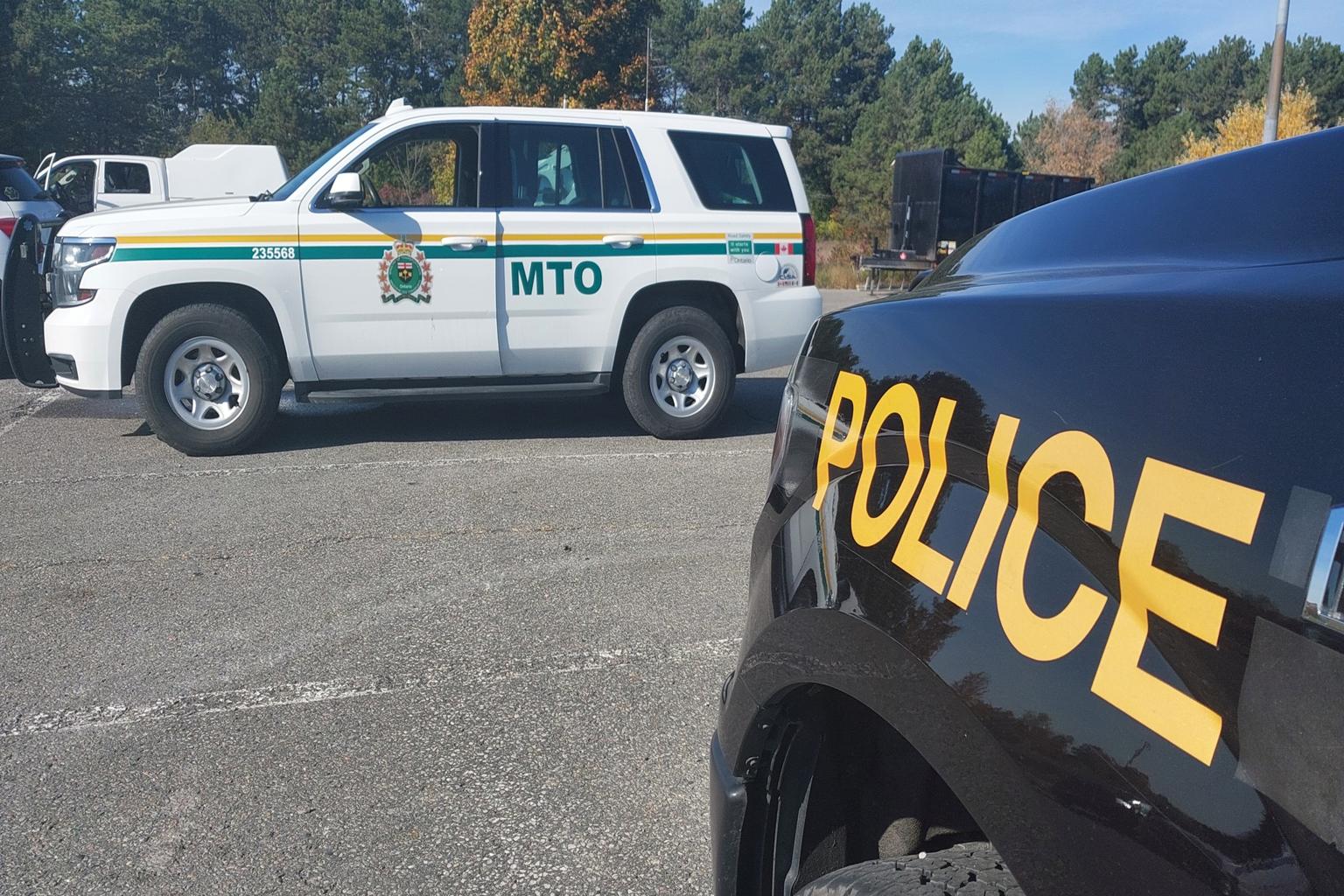
- Safety inspections and compliance programs are bypassed.
This erosion of standards impacts every compliant operator on Canadian highways.
Road Safety / Operational Risk
The Driver Inc Canada model doesn’t just erode fair competition — it directly threatens public safety and operational integrity across the nation’s highways.
- According to the Canadian Trucking Alliance (CTA), the Driver Inc model has been linked to increased incidents of untrained or poorly licensed drivers and unsafe, unfit equipment being put on the road. These conditions create significant hazards for compliant carriers and the public alike.
- As noted by TheTrucker.com, many self-classified “contractors” under Driver Inc Canada do not receive the same level of safety oversight, training, or regulatory scrutiny as legitimate employees. This gap increases collision risk, enforcement burden, and public liability exposure.
- Ultimately, the Driver Inc model has become a systemic risk vector — not just for drivers, but for the traveling public, insurers, municipalities, and both provincial and federal regulators who bear the cost of its failures.
When Profit Comes Before Safety
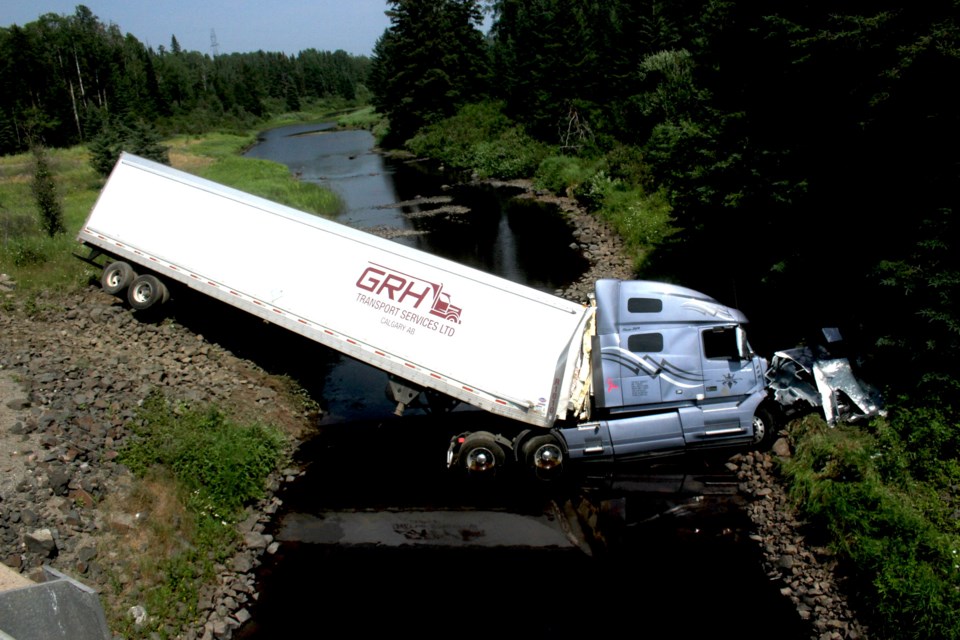
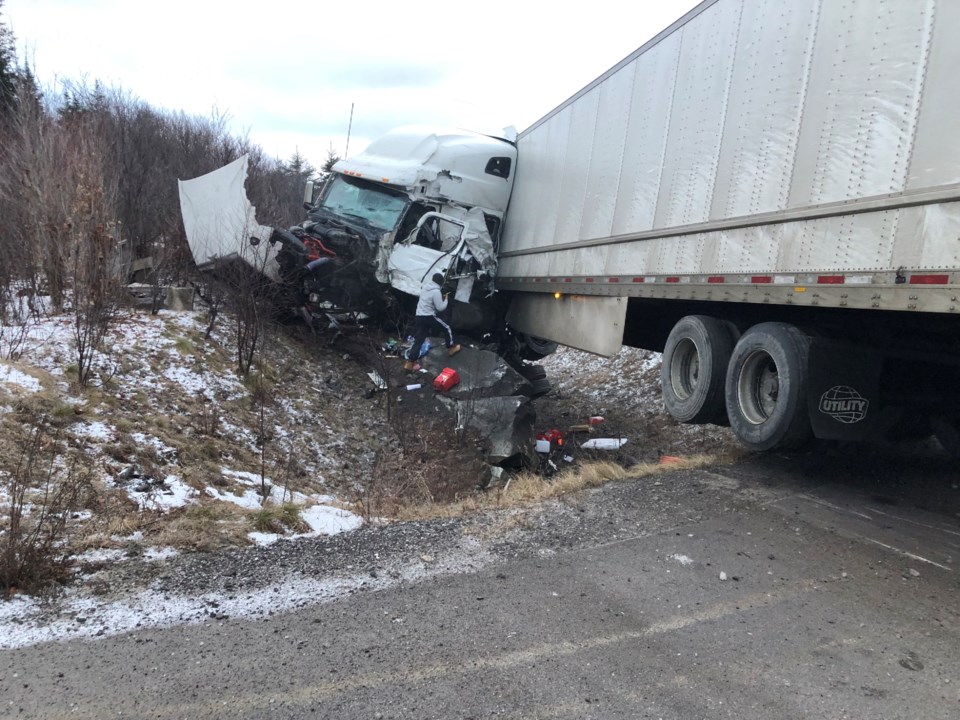
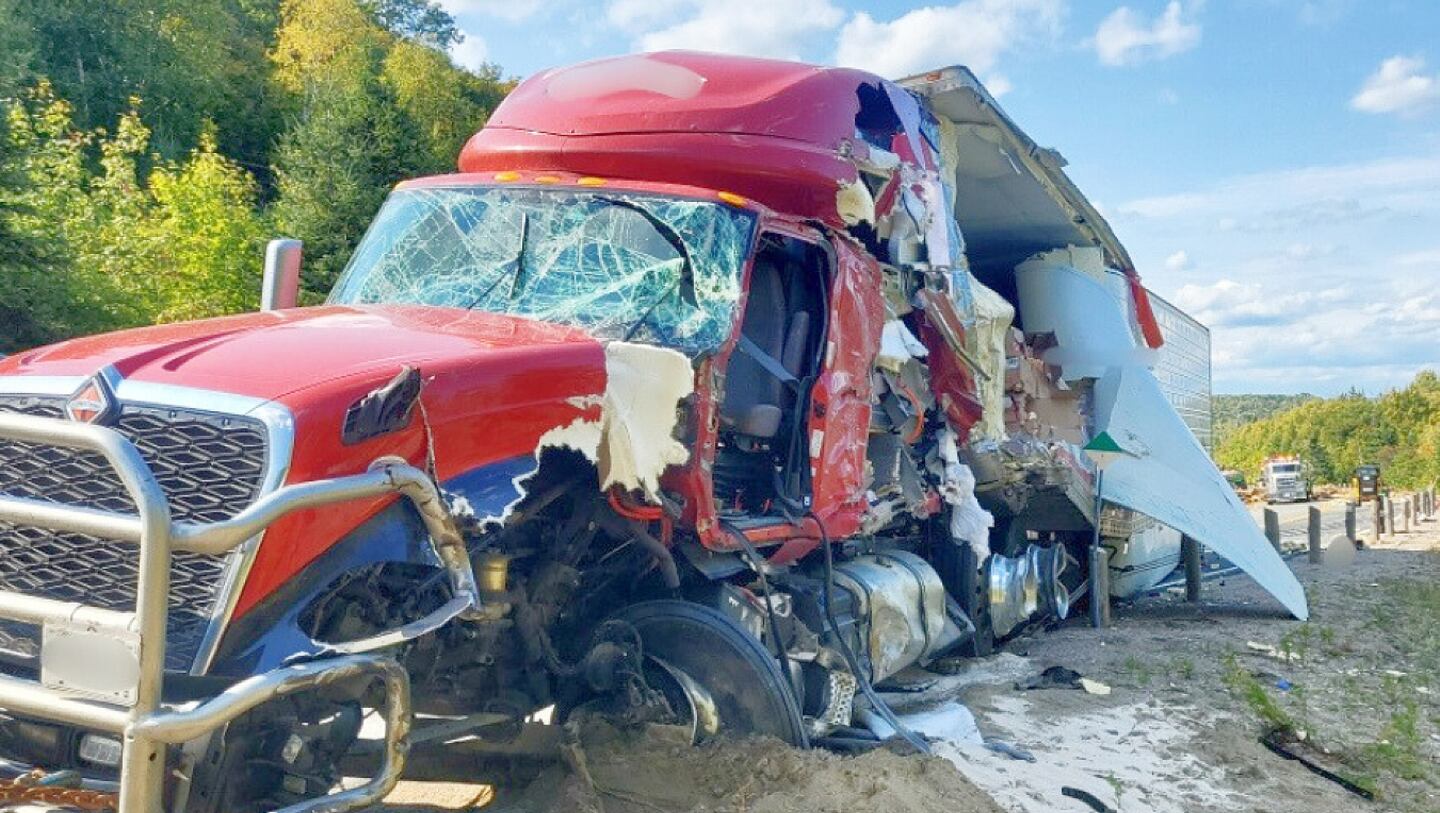
The Driver Inc Canada model has opened the floodgates to under-trained operators, unsafe vehicles, and carriers cutting corners to stay profitable. Every twisted frame and shattered windshield tells the same story: when compliance fails, tragedy follows.
It’s time to hold the industry — and its enablers — accountable before more lives are lost..
Fiscal / Economic impacts
- The model costs the government in lost tax / payroll remittances to the tune of billions annually. Teamsters Canada+1
- Carriers employing Driver Inc. routes can reduce labour/overhead costs roughly ~35% vs compliant carriers — giving them unfair competitive advantage. TheTrucker.com+1
- That distortion pushes honest companies out or forces further cost-cutting.
NEXTGEN stands behind the principle that safety cannot be subcontracted. When carriers operate outside compliance boundaries, everyone on the road pays the price.
Industry Action
The Stop Illegal Trucking campaign — led by the CTA and supported by Teamsters Canada — calls for stronger audits, CRA enforcement, and education to protect both drivers and compliant fleets. Even though Employment and Social Development Canada (ESDC) has declared the practice illegal, gaps in enforcement allow this abuse to persist.
If the industry wants public trust restored, enforcement can’t be optional — it must be visible, consistent, and backed by real consequences.
NEXTGEN’s Stand on Driver Inc and Road Safety
At NEXTGEN Driver Training & Compliance, we don’t compromise on integrity.
We audit fleets, train managers, and eliminate misclassification risks before they lead to collisions or fines. Every driver we help onboard is properly classified, protected, and qualified to operate safely.
The time for silence is over. Driver Inc Canada is wrecking trust, safety, and professionalism across our roads. Let’s rebuild an industry where compliance and safety drive every mile.
It’s time for Canadian trucking to reclaim its credibility. Let’s drive out the cheats and bring professionalism back to the highway.