Call us: 905-922-1214


Running a safe, compliant fleet doesn’t have to be complicated.
CVOR Minute delivers short, practical insights that help carriers, safety managers, and drivers improve their compliance scores, reduce roadside risks, and prepare for audits — one minute at a time.
Every week, we spotlight a key issue: from out-of-service rates, to inspection pitfalls, to maintenance files that stand up in an audit.
OOS-Service rates – The Top Fleet Killer
When it comes to CVOR compliance, Out-of-Service (OOS) rates are one of the most damaging metrics a carrier can face. High OOS numbers instantly impact your fleet’s safety rating, trigger MTO audits, and raise insurance premiums. For many Ontario carriers, OOS issues—especially with brakes, tires, and load securement—are the top fleet killer that silently drains profitability and reputation. — under Ontario’s Commercial Vehicle Operator’s Registration (CVOR) system, it’s a key performance indicator of your safety record. The Ministry of Transportation tracks it closely, and so do insurers, auditors, and even customers.
When a vehicle is placed Out-of-Service at roadside for defects listed under Ontario Regulation 199/07 (Schedule 1 – Daily Inspections), that inspection doesn’t disappear. It gets recorded against your CVOR profile for up to 24 months.
Top Defects That Lead to Out-of-Service Orders
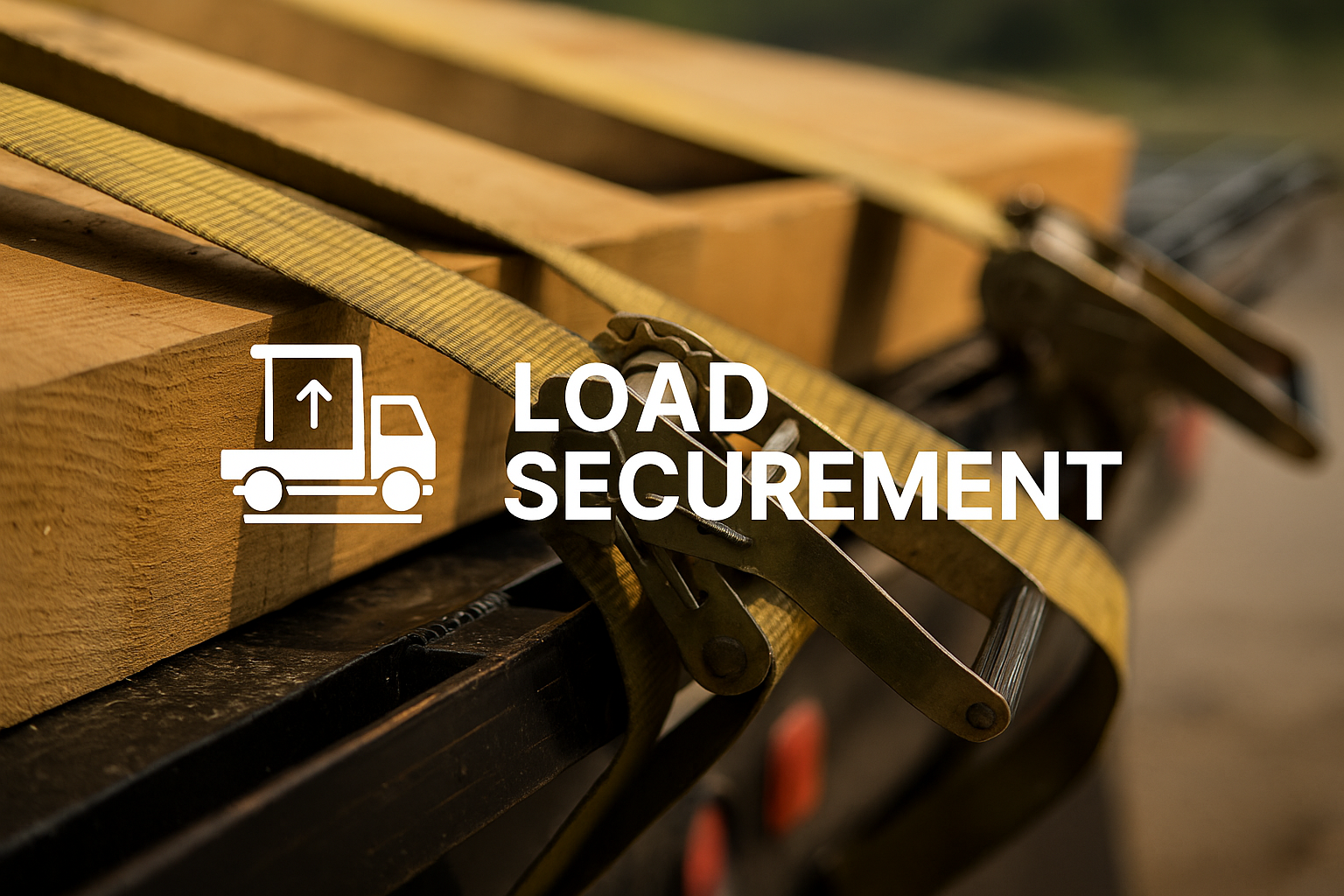
When it comes to CVOR compliance, certain defects show up again and again during roadside inspections. These three areas — load securement, tires, and brakes — account for the majority of Out-of-Service orders and represent The Top Fleet Killer when it comes to safety, downtime, and compliance risk.


Why It Matters
- High Out-of-Service rates hurt your CVOR. As a result, insurers use this data when calculating risk. In addition, customers may avoid doing business with carriers who have poor records.
- Every inspection counts. Each time a driver is stopped, the inspection record becomes part of your CVOR profile. In addition, auditors, insurers, and potential customers all review this data when making decisions about your company. Consequently, consistent defects can erode both compliance scores and trust with partners.
- The good news is that prevention works. For example, regular pre-trip inspections and proactive maintenance keep small issues from becoming major violations. Moreover, drivers who are properly trained to identify defects can prevent costly roadside shutdowns. Ultimately, lowering your OOS rate protects both your CVOR and your bottom line.
The CVOR Connection
CVOR measures your collisions, convictions, and inspections. Your OOS rate feeds directly into that inspection score.
- Too many major defects → higher violation rate.
- Higher violation rate → red flags in your CVOR.
- Red flags = more audits, tougher insurance negotiations, and lost contracts.
How to Get Ahead
- Train drivers on Schedule 1 defect checks.
- Document and repair defects before roadside finds them.
- Review your CVOR profile monthly to track progress.
- To reduce your CVOR Out-of-Service rates, carriers need stronger inspection programs and consistent defect management
👉 Your CVOR record is a reflection of daily choices in inspections, reporting, and repairs. Because of this, building a strong inspection program is one of the most effective ways to control costs. Ready to see how your fleet measures up?
Get your free OOS snapshot today