Call us: 905-922-1214

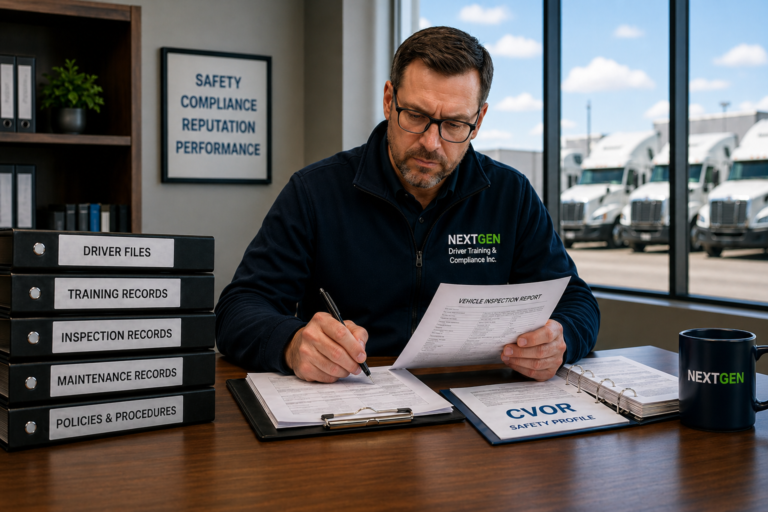
The Reality Behind Ontario’s Blitz Culture
Each year, Ontario truck blitz out of service rates dominate industry headlines — exposing how deeply safety, compliance, and maintenance culture impact fleet performance.
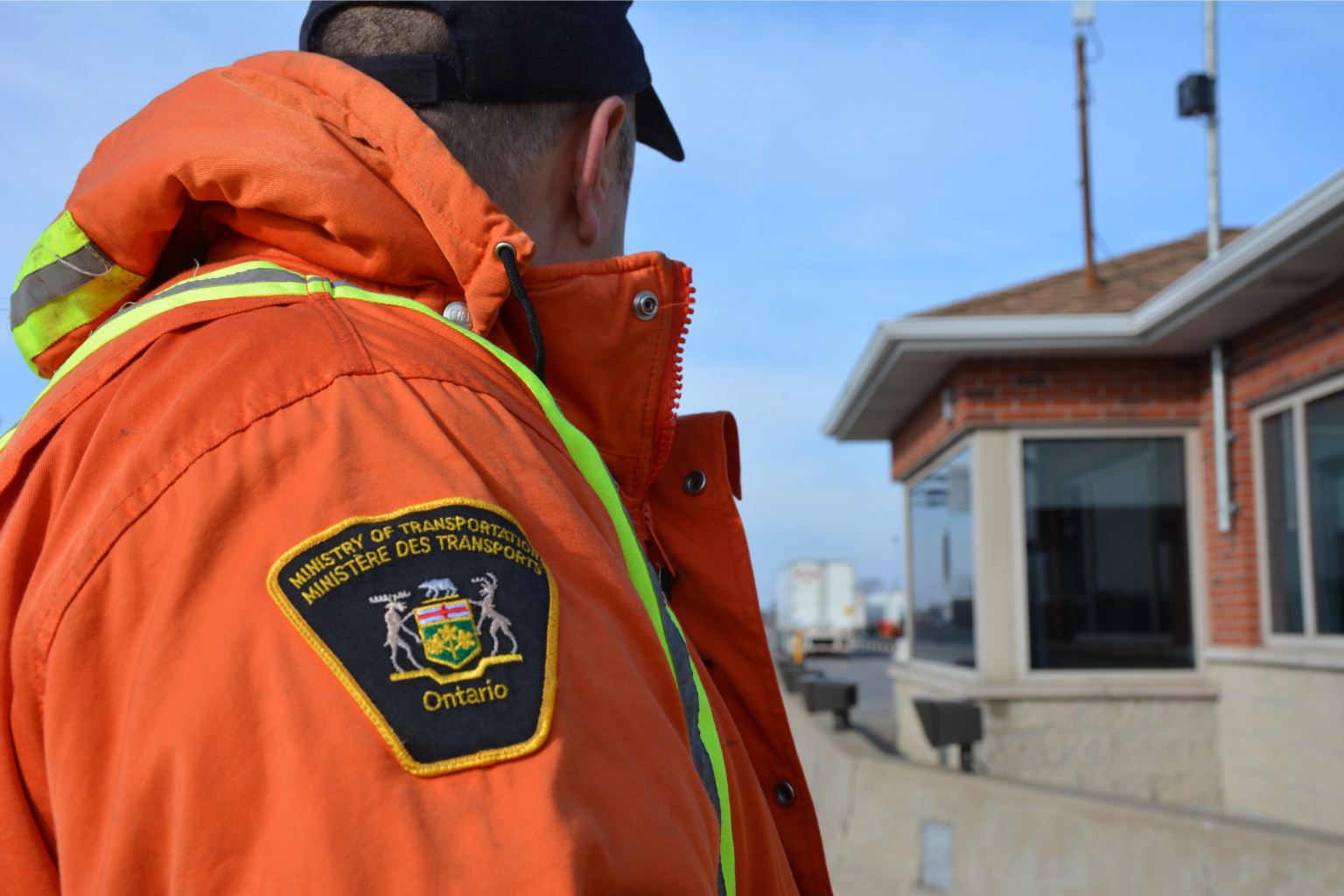
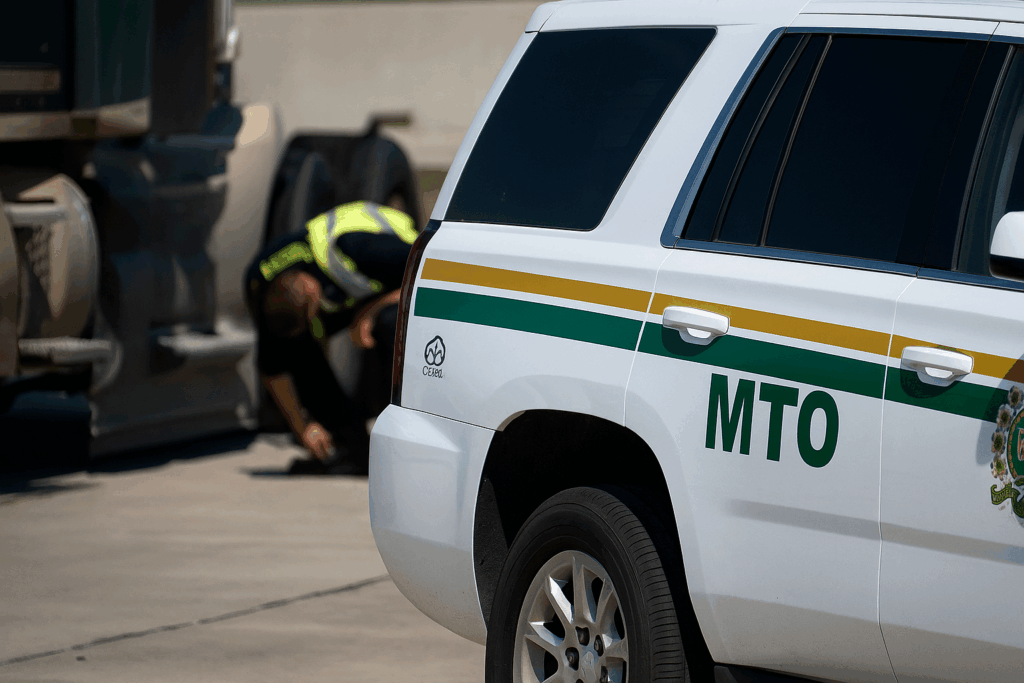
These province-wide enforcement blitzes, led by the Ministry of Transportation (MTO), Ontario Provincial Police, and regional partners, are designed to identify unsafe trucks and unfit carriers.
But look past the headlines, and a more sobering picture emerges: Ontario’s out-of-service (OOS) rate consistently hovers between 30% and 45%.
In this year’s Milton blitz, for example, 161 of 363 trucks inspected were taken out of service. Similar numbers came out of Halton, Waterloo, and Sudbury. For example, the recent Milton initiative placed 161 out of 517 trucks OOS (≈31%) in a two-day blitz. Truck News
That’s not an anomaly — it’s a systemic signal. A third of the equipment operating in Ontario isn’t meeting the minimum threshold of mechanical or regulatory compliance.
For safety managers and fleet owners, these numbers aren’t just statistics — they’re a mirror reflecting the true culture of your fleet.
The Culture Problem Behind the Violations
The truth is, a blitz doesn’t uncover new problems — it simply shines a light on the ones your systems failed to catch.
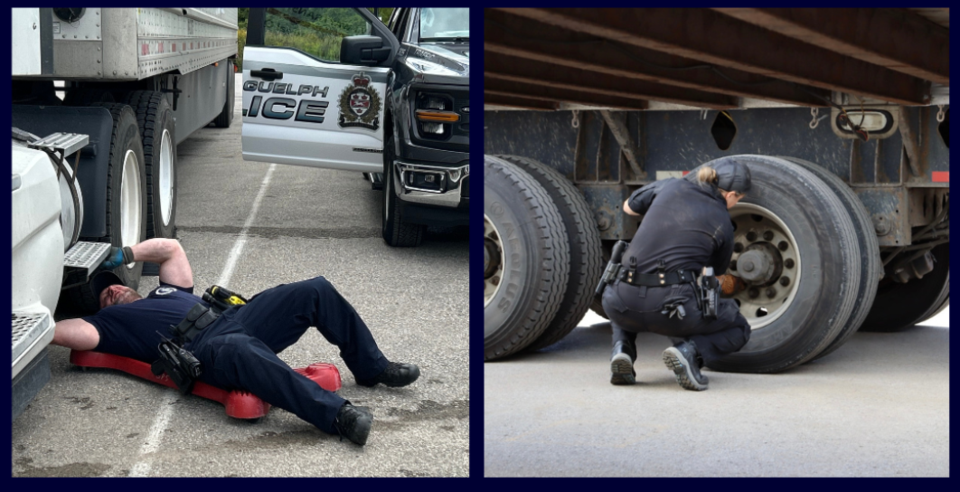
Many of the violations that take trucks out of service are preventable:
- Worn brake linings and mismatched air hoses
- Missing or insecure cargo straps
- Burnt-out marker lights or reflective tape deficiencies
- Expired annual inspections
- Damaged tires and visible air leaks
These aren’t obscure or complex failures. They’re signs of incomplete pre-trips, deferred maintenance, and weak internal communication.
And in some fleets, the problem isn’t technical — it’s cultural. When “get the load there” becomes a louder message than “get it there safely,” enforcement becomes the default quality control system. That’s when costs multiply — not just in fines, but in CVOR points, downtime, and insurance exposure.
What Every Violation Really Costs
A roadside ticket might cost $300. A mechanical OOS citation might cost a few hours of lost delivery time. But the real cost is what those events do to your CVOR profile — and your reputation.
Each violation adds demerit points to your Carrier Safety Rating (CSR). As those accumulate, your rating can drop from Excellent to Satisfactory-Unaudited, or even Conditional.
That single change can trigger:
- Targeted audits from the MTO
- Insurance premium increases or reduced policy options
- Lost shipper contracts, as customers move toward CVOR-verified carriers
- Driver turnover, as good operators leave non-compliant fleets
For brokers, insurers, and shippers now using real-time CVOR lookups, your roadside history is your brand.
An OOS event doesn’t just park your truck — it parks your credibility.
Turning Enforcement Into Intelligence
The fleets that outperform their peers treat blitz data as a diagnostic tool, not a disruption.
They ask: What patterns do the blitz results reveal about us?
If one unit fails inspection, they audit the last ten. If one driver gets cited for load securement, the entire team gets retrained the same week.
Here’s what proactive carriers are doing right now:
1. Run Internal “Mini-Blitzes.”
Conduct monthly in-yard mock inspections. Randomly pull a tractor and trailer, and inspect it to full MTO standards. Document findings, issue scorecards, and post results publicly for team accountability.
2. Audit Preventive Maintenance Intervals.
Compare OEM schedules versus actual mileage. Identify vehicles that are overdue and address gaps before an inspector does.
3. Leverage Telematics for Behavior Data.
Hard braking, over-speed, and idling patterns reveal how your vehicles are being driven — which directly influences wear and tear. Integrate telematics reports into driver coaching sessions.
4. Engage the Drivers.
Drivers are the first line of defense. Recognize those who report defects early and consistently. Make “Vehicle Care” part of their performance review.
5. Analyze Trends, Not Incidents.
A single citation is noise; repeat defects are signals. Use a CVOR dashboard to visualize monthly trends and anticipate where enforcement might target you next.
The Competitive Advantage of Predictable Compliance
Elite carriers — the ones with Platinum insurance scores and Excellent CVORs — don’t rely on luck.
They build predictable systems that make compliance repeatable across all assets and drivers.
Their playbook includes:
- Fleet Performance Scorecards that integrate safety, fuel, and maintenance KPIs.
- Documented inspection readiness plans — every vehicle, every driver, every trip.
- Vendor qualification audits to ensure third-party shops are maintaining regulatory standards.
- Quarterly compliance reviews that simulate an MTO audit environment.
They don’t fear the next blitz; they use it as proof that their internal processes are working.
From Blitz to Blueprint
Ontario’s enforcement culture is not going away — in fact, it’s accelerating.
As CVSA, MTO, and municipal partners expand data-sharing and roadside analytics, carriers will be benchmarked in near real time.
For fleets that see this as a threat, it will feel like endless oversight.
For fleets that see it as a performance metric, it’s the best accountability system ever built.
“Every blitz is an opportunity to validate your systems — not to expose your flaws.”
If your current OOS rate is above 20%, it’s time to reset. Conduct a NEXTGEN CVOR Health Check or a Blitz-Readiness Audit and turn enforcement pressure into operational power.
Call-to-Action
“Build the safety culture that passes every inspection.”
NEXTGEN Driver Training programs help carriers embed compliance, reduce OOS rates, and improve driver accountability.
Learn more → nextgendriver.ca/training